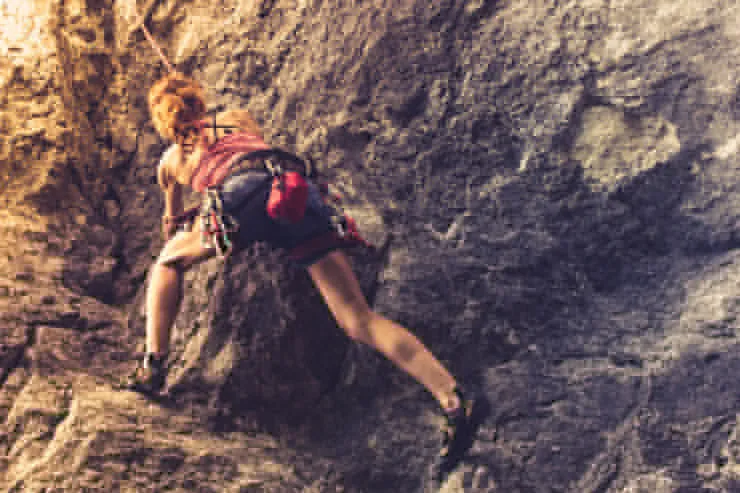
Rock climbing in Reno Tahoe offers access to granite faces, high-desert crags, alpine routes, and bouldering areas across Northern Nevada and the Lake Tahoe region. With year-round climbing potential at lower elevations and seasonal alpine climbing in the Sierra Nevada, the area attracts both beginner climbers and experienced outdoor enthusiasts looking for diverse terrain.
WHY RENO TAHOE IS A DESTINATION FOR CLIMBERS
The Reno Tahoe region is known for its granite formations, stable rock quality, and variety of climbing styles. Climbers can find sport routes, traditional multi-pitch climbs, top-rope setups, and bouldering areas within short driving distance of Reno. The mix of desert landscape and mountain terrain creates climbing opportunities in different seasons, depending on elevation and weather conditions.
FIVE COMMON ROCK CLIMBING AREAS IN RENO TAHOE
Below are five well-known climbing areas frequently used by local climbers:
- Donner Summit – A popular granite climbing destination offering sport, trad, and multi-pitch routes near Truckee.
- Big Chief – Known for quality granite routes and scenic views near the Lake Tahoe Basin.
- Peavine Peak – A local Reno area offering bouldering and shorter routes with convenient access from the city.
- Woodfords Canyon – A well-established sport climbing area with numerous bolted routes.
- Eagle Lake Trail Climbing Area – Offers granite climbing routes near a popular hiking trail and alpine setting.
These areas highlight the range of climbing styles available throughout Reno Tahoe.
BEST SEASONS FOR ROCK CLIMBING
Rock climbing in Reno Tahoe is typically strongest from spring through fall, depending on elevation. Lower-elevation desert and foothill areas may remain climbable during mild winter days, while higher-elevation alpine routes are best during summer when snow has cleared. Summer afternoons can bring thunderstorms in mountain areas, so weather awareness is important.
WHAT TO KNOW BEFORE YOU GO
Climbing areas in Reno Tahoe vary in difficulty, access, and protection style. Some locations require advanced route-finding and traditional gear, while others offer well-bolted sport climbs. Checking guidebooks, understanding land access regulations, and preparing for rapid weather changes are essential when climbing in the Sierra Nevada region.